Introduction
Private label specialty foods have actually gained enormous popularity in recent times. With consumers seeking unique and individualized food choices, private label food have actually become a go-to option for many. In this short article, we will certainly look into the elaborate procedure of private label food production, discovering the actions involved and the key players in the industry.
The Rise of Private Label Food Manufacturers in Australia
Australia has actually witnessed a significant surge in private label food suppliers. With consumers becoming a lot more mindful regarding their nutritional choices and requiring premium products, private label food production has emerged as a profitable service opportunity. These manufacturers deal with various sectors, consisting of personal label cheese, junk food producers, and more.
Understanding Private Label Food Manufacturing
Private label food manufacturing involves creating and producing foodstuff for sellers or companies who after that market these items under their very own brand name. This procedure enables stores to give one-of-a-kind offerings to their clients without investing heavily in r & d or manufacturing infrastructure.
Key Steps Associated with Private Label Food Manufacturing
Step 1: Product Development and Customization
Private tag food producers work very closely with stores to comprehend their demands and create customized items. This action includes brainstorming sessions, market research, and recipe formulation. Exclusive tag specialty foods are created to satisfy particular consumer preferences and nutritional needs.
Step 2: Sourcing Ingredients
Once the item specs are wrapped up, private label food producers resource top notch components from relied on providers. They ensure that all active ingredients satisfy rigorous top quality standards and comply with guidelines set by relevant authorities.
Step 3: Production and Packaging
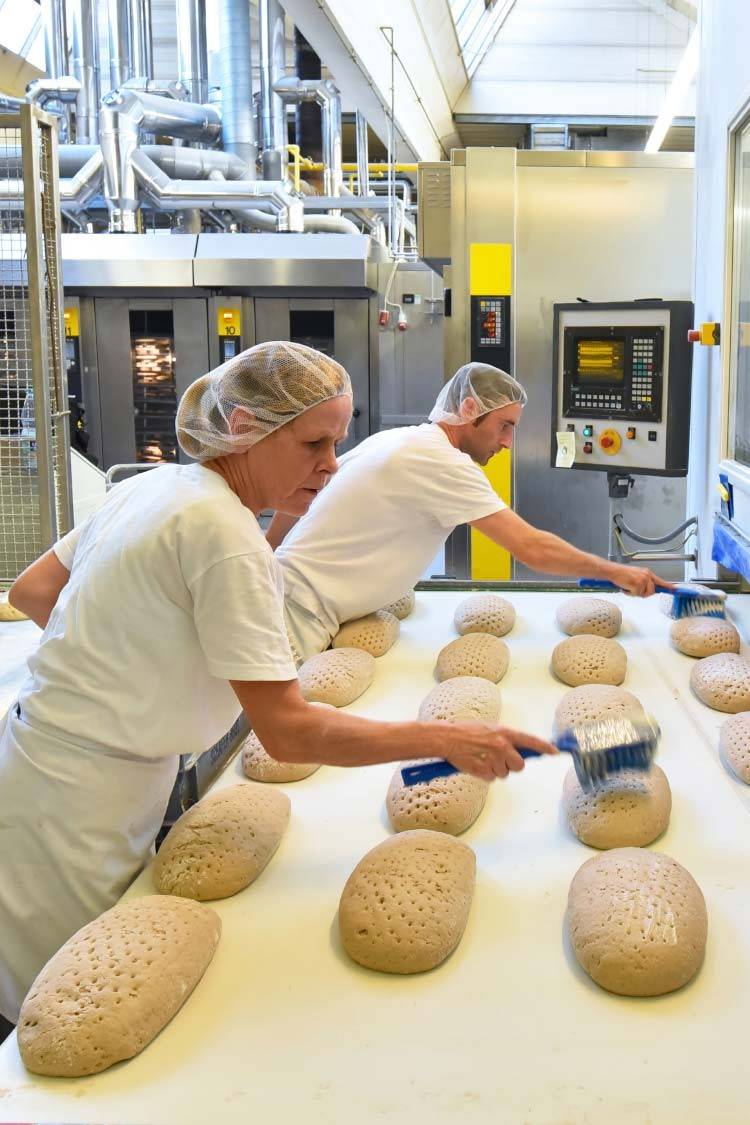
After obtaining the ingredients, private label food production begins. The manufacturing facilities make use of state-of-the-art equipment and follow strict hygiene methods to create safe and tasty food. Product packaging is likewise an indispensable part of this step, guaranteeing that the product continues to be fresh while attracting consumers.
Step 4: Quality Control and Testing
Private label food manufacturers perform extensive quality assurance checks at every stage of the manufacturing process. This includes testing the components, keeping an eye on assembly line, and performing sensory analyses. These steps ensure that the end product meets the finest standards.
Step 5: Classifying and Compliance
Once the products are made and high quality evaluated, private label food manufacturers handle labeling and conformity. They make sure that all info on the item tags is accurate and adhere to regulative guidelines. This step is critical to provide customers with clear details regarding the item's contents and nutritional values.
Advantages of Private Label Food Manufacturing
Private tag food production offers numerous benefits for both retailers and consumers. Let's discover several of these advantages:
Customization: Sellers have the flexibility to develop one-of-a-kind products tailored to their target audience, allowing them to distinguish themselves from competitors.
Cost-effectiveness: Private label food manufacturers provide affordable options by getting rid of the need for stores to purchase research, development, and manufacturing infrastructure.

Control over branding: Merchants can construct their brand photo by marketing exclusive tag foods under their own name. This allows them to establish depend on and loyalty among consumers.
Flexibility: Private label food production offers merchants with versatility in regards to item offerings. They can conveniently adjust to altering customer trends and preferences.
Higher earnings margins: With minimized manufacturing costs, merchants can appreciate higher earnings margins on private label food products compared to branded alternatives.
Quality assurance: Private label food makers prioritize quality control procedures, guaranteeing that retailers obtain constant and high-grade items for their customers.
FAQs concerning Private Label Food Manufacturing
Q1: What is the duty of private label food manufacturers?
A1: Private label food producers play a critical duty in creating tailored foodstuff for merchants or services that market them under their own brand name name.
Q2: Exactly how does private label food manufacturing advantage retailers?
A2: Private label food production permits merchants to use special items, build their brand image, and enjoy higher profit margins compared to branded alternatives.
Q3: Can private label food producers cater to specific nutritional preferences?
A3: Yes, private label food manufacturers can establish products tailored to specific dietary needs and choices, consisting of gluten-free, vegan, or organic options.
Q4: Exist any type of laws regulating private label food manufacturing?
A4: Yes, private label food manufacturers need to follow regulations established by appropriate authorities pertaining to active ingredient sourcing, labeling, and quality private label food manufacturer control.
Q5: Can private label food makers manage massive production?
A5: Yes, private label food suppliers have the capabilities to take care of both small and massive manufacturing based upon the store's requirements.
Q6: Exactly how can retailers make certain the high quality of private label food products?
A6: Merchants ought to collaborate with trustworthy private label food producers who prioritize stringent quality control measures and have a performance history of providing outstanding products.
Conclusion
Private tag food production uses a globe of possibilities for retailers seeking to supply distinct and tailored offerings to their consumers. With a streamlined process involving item development, active ingredient sourcing, production, packaging, and quality control, private tag specialized foods have actually gotten immense appeal. By partnering with trusted private label food manufacturers in Australia or any kind of other region, merchants can establish their brand name identity while delighting in cost-effectiveness and flexibility in their product offerings. So why wait? Dive into the exciting world of personal label foods today!